便宜发
金融理财
Sidebar
From April 15 to 17, 2026, the globally renowned professional audiovisual exhibition InfoComm China 2026 was held at the China National Convention Center in Beijing. Under the theme “Integration · Gathering Momentum”, the event brought together hundreds of leading brands in audio, video, display, conferencing systems, and artificial intelligence, showcasing the latest technological achievements and solutions where AI empowers the AV industry.
Onsite Photos
Onsite Photos
Published in
Business News
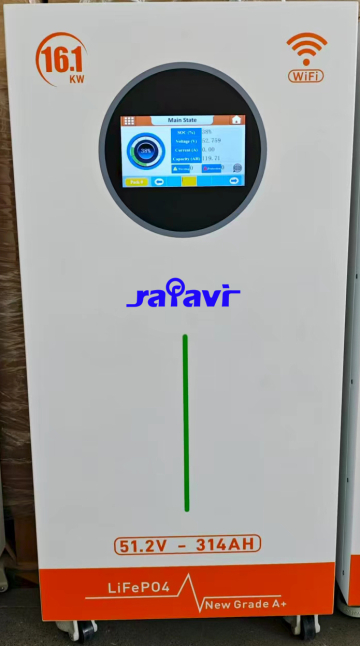
1. Product Overview
This product is a 16S-51.2V314Ah rechargeable lithium-ion battery pack, suitable for various energy storage application scenarios. The battery is equipped with a professional protection board and BMS (Battery Management System) inside, which can monitor the operating status in real time, provide multiple safety protections, and ensure the safety and service life of battery charging and discharging.
Published in
Business News
System Architecture Overview
Published in
Business News
I. System Architecture
1. Text Description
The system adopts a three-layer architecture: Perception Layer, Control Layer, and Application Layer.
- Perception Layer
- Flexible SBR Fabric Sensor: Embedded in seats or mattresses to collect signals such as posture, body movement, bed exit status, and respiration.
- NTC Temperature Sensors: Arranged at multiple points on the heating pad surface for real‑time temperature monitoring.
- Environmental Sensors (optional): Temperature, humidity, and light sensors for adaptive control.
- Control Layer
- Signal Conditioning Circuit: Amplification, filtering, and analog‑to‑digital conversion.
- Microcontroller Unit (MCU): Runs embedded algorithms to process sensor data, execute PID temperature control, and detect abnormal events.
- Drive Circuit: MOSFET or relays to control the power supply to the graphene heating pad.
- Communication Module: Wi‑Fi / Bluetooth / LoRa / 4G for uploading data to the cloud and receiving remote commands.
- Application Layer
- Cloud IoT Platform: Device management, data storage, and rule engine (e.g., bed‑exit alarm, automatic heating).
- Mobile App / Mini‑Program: Provides real‑time status, push notifications, and remote temperature adjustment for family members or caregivers.
- Institution Management Dashboard: Centralized monitoring for multiple beds, energy consumption statistics, alarm logs, and report export.
Published in
Business News